Unified Incentive Models Bridging Device-Based Sports Forecasts and Legacy Table Games Across Flexible Payment Channels
Devon Becker · Aug 15, 2026
Unified Incentive Models Bridging Device-Based Sports Forecasts and Legacy Table Games Across Flexible Payment Channels
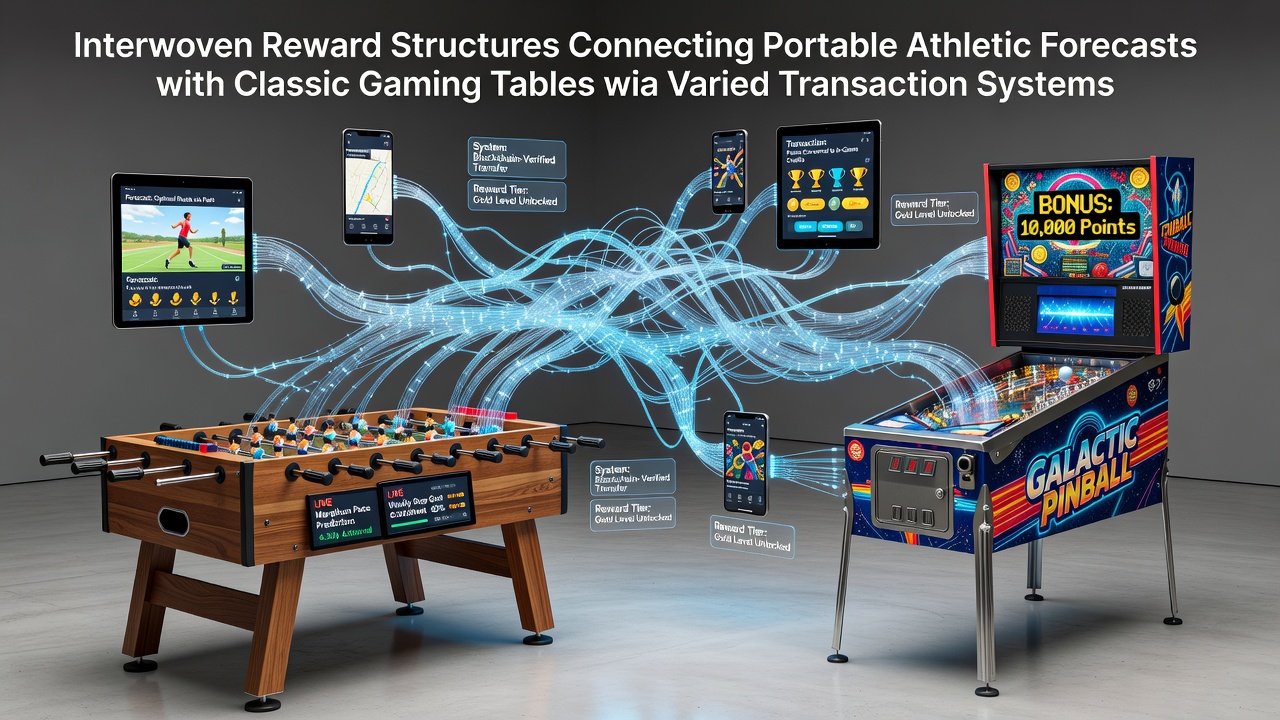
Industry observers track how unified incentive models now merge device-based sports forecasts with legacy table games through flexible payment channels, and data from multiple jurisdictions shows steady adoption rates in these linked systems during 2026. Operators integrate tiered rewards that activate when users shift between athletic projections on mobile apps and traditional card or dice encounters, while transaction methods such as e-wallets, bank transfers, and cryptocurrency options serve as the connective tissue. Research from the Australian Gambling Research Centre indicates that these frameworks increased cross-game participation by measurable margins in regulated markets last year, because layered bonuses often carry over when funding sources change or game types switch.
Core Mechanics of Connected Reward Layers
Systems operate by assigning points or credits that accumulate across categories, so a wager placed on a portable athletic forecast contributes to a shared pool that unlocks perks at classic gaming tables, and vice versa. Payment routes determine bonus multipliers in many cases, with instant e-wallet deposits triggering faster tier progression than slower methods, according to figures compiled by the New Jersey Division of Gaming Enforcement. Those who study these patterns note that retention metrics rise when users maintain activity across both formats, because the incentive structure rewards consistent engagement rather than isolated sessions. One documented case in a multi-state operator revealed that players who alternated between mobile forecasts and table play retained loyalty status longer during the first half of 2026.
Transaction Systems as the Linking Element
Varied transaction systems enable seamless movement of funds and rewards, allowing players to fund mobile sports forecasts through one channel and redeem table game bonuses through another without resetting progress. Cryptocurrency transfers, for instance, often bypass certain verification delays that affect traditional bank routes, which in turn accelerates reward activation across game types. Data released in August 2026 by the Canadian Gaming Association highlighted that operators using at least three distinct payment methods reported higher average session lengths when rewards bridged athletic and table segments. Observers note that these pathways reduce friction during switches, since credits earned in one area convert directly when a different transaction method funds the next activity.

Regional Patterns and Regulatory Context
European markets show similar integration trends, with the Malta Gaming Authority reporting that interconnected reward programs helped stabilize player bases amid shifting preferences toward hybrid mobile and table experiences. In the United States, several state regulators track how these models interact with existing responsible gaming tools, because the ability to move rewards across formats requires clear disclosure of terms. Academic reviews from the University of Nevada, Reno, gaming research division have examined how payment flexibility influences participation rates, finding that users respond positively when bonus layers remain intact during transitions. Patterns emerge most clearly in regions where both sports forecasting and table options operate under unified licensing frameworks.
Implementation Examples Across Platforms
Operators deploy these models through app updates that synchronize user profiles in real time, so activity on one game type updates the reward dashboard visible in the other. Take the example of a user who places a forecast on an upcoming athletic event via mobile and later joins a table game session funded by a different e-wallet; the shared structure applies accumulated tiers without interruption. Industry reports from the Gaming Research Exchange in Australia describe how such synchronization supports retention during periods of regulatory change, including updates that took effect around August 2026. The mechanics rely on backend tracking that treats all transaction types and game categories as part of one ecosystem rather than separate silos.
Conclusion
These unified incentive models continue to evolve as operators refine how reward layers, transaction routes, and game formats interact within single platforms. Available data from regulatory bodies and research institutions demonstrate measurable effects on participation and retention metrics where these connections operate. The emphasis remains on factual tracking of system performance across regions and payment methods rather than isolated outcomes.