Transaction Pathways and Bonus Triggers in Mobile Shifts from Sports Wagers to Table Games
Jordan Becker · Aug 22, 2026
Transaction Pathways and Bonus Triggers in Mobile Shifts from Sports Wagers to Table Games
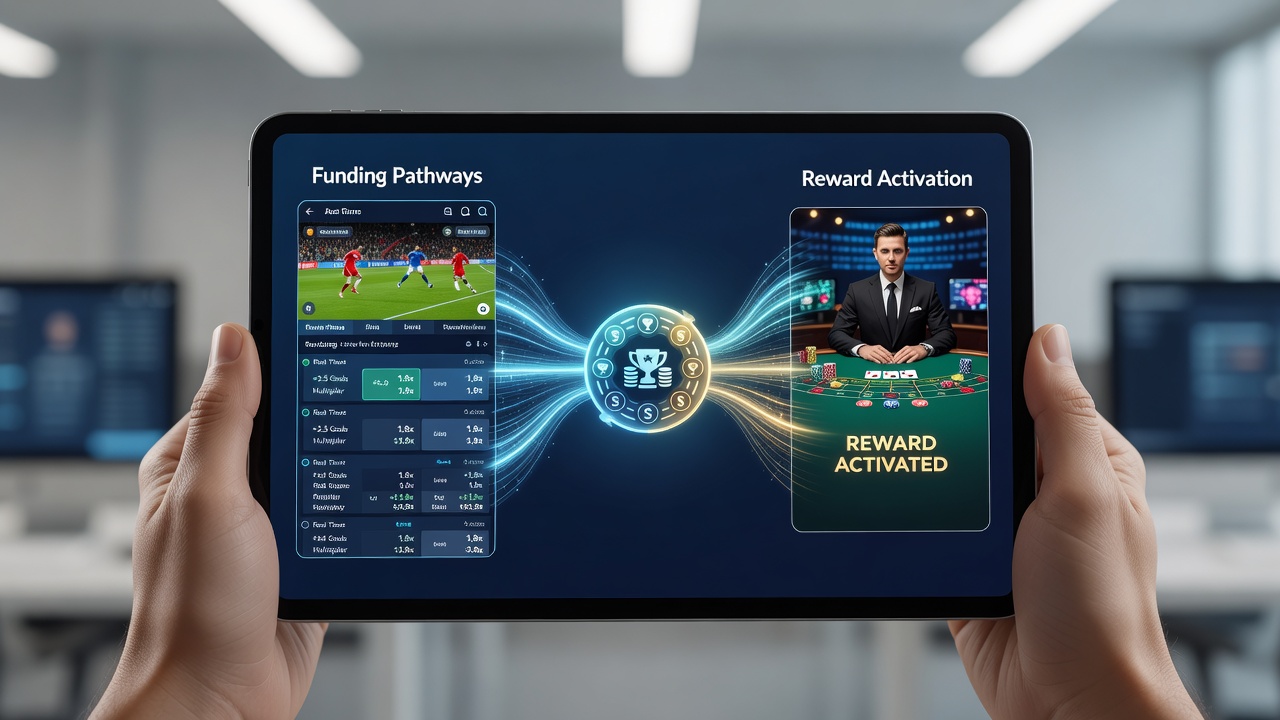
Funding pathways on handheld devices determine how rewards activate when users move between athletic wagers and dealer tables, since deposit methods, processing speeds, and platform integrations all influence eligibility for layered incentives. Data from industry reports shows that e-wallet transfers often trigger immediate bonus credits while credit card routes may require additional verification steps before rewards apply across game types. Observers note that these differences become pronounced in August 2026 as more platforms update their mobile systems to handle cross-category play without resetting progress in loyalty structures.
Deposit Methods and Their Role in Reward Continuity
Bank transfers and digital wallets connect directly to player accounts in ways that preserve active bonuses during switches between sports betting and card games, whereas some prepaid options reset eligibility until the next deposit cycle begins. Studies from research institutions indicate that platforms using instant verification protocols allow seamless movement from athletic predictions to live dealer sessions while maintaining tier status. Those who've examined transaction logs find that slower funding routes create gaps where rewards fail to carry over, forcing users to complete separate qualifying bets or hands before incentives resume.
Platform Integrations Across Game Categories
Mobile ecosystems link sports wagering interfaces with dealer table environments through shared funding ledgers, yet the activation of rewards depends on whether the chosen deposit method supports multi-game tracking. According to figures from the American Gaming Association, integrated systems that recognize a single deposit across categories reduce the steps needed to unlock layered promotions. One case revealed that users who fund via certain e-wallets receive automatic credit for both athletic performance milestones and table game streaks without manual intervention.
Timing and Processing Speeds in Cross-Game Shifts
Instant funding options enable reward activation within seconds of a deposit, allowing players to shift from placing athletic wagers to joining dealer tables while bonuses remain live, but batch-processed methods introduce delays that break continuity. Research indicates that platforms processing payments in real time report higher retention of incentive layers during these transitions. Data shows variations by region, with certain state-regulated markets requiring additional checks that affect how quickly rewards apply after a game-type change.
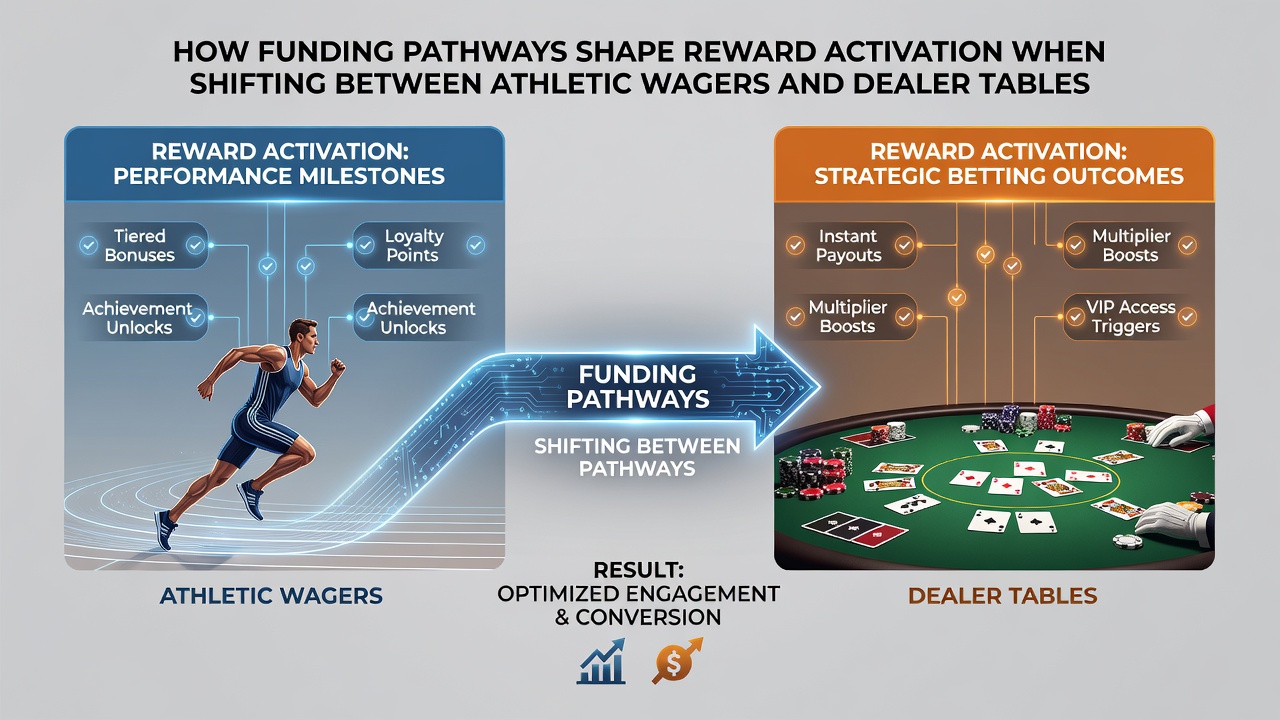
What's significant is that users who select funding pathways with built-in cross-game recognition avoid losing progress in tiered structures when moving between categories. Industry organizations have documented that August 2026 updates to several handheld platforms introduced automated flags that detect when a deposit should apply to both sports and table rewards simultaneously. Those patterns emerge most clearly in markets where regulatory frameworks encourage unified account tracking rather than isolated game ledgers.
Regulatory Influences on Mobile Funding Routes
State-level rules shape which deposit methods qualify for reward activation during switches, since some jurisdictions limit the use of certain payment types in combined sports and casino environments. Figures from the New Jersey Division of Gaming Enforcement reveal that compliant funding pathways must meet verification standards before incentives extend across athletic wagers and dealer tables. Platforms operating under these guidelines adjust their mobile systems accordingly, ensuring that transaction routes align with both reward mechanics and legal requirements.
Examples from Current Platform Practices
Take one platform that routes all deposits through a central ledger, allowing rewards earned on sports wagers to activate during subsequent dealer table sessions without additional deposits. Another approach requires users to select incentive preferences at the funding stage, which then applies across handheld game types once the transaction clears. Observers note that these practices reduce friction yet still depend on the underlying payment processor's speed and compatibility with mobile tracking tools.
Conclusion
Transaction pathways continue to define how rewards activate when users shift between athletic wagers and dealer tables on handheld devices, with deposit speed, verification processes, and platform integrations serving as primary factors. Data from regulatory bodies and industry groups shows measurable differences based on chosen funding methods, particularly as systems evolve in August 2026. Those patterns remain consistent across markets where unified account systems support layered incentives without requiring separate actions for each game category.