Touchscreen Blackjack: How Mobile Tweaks Turn Classic Hands Into Swift Swipes
Freya Jenkins · Apr 15, 2026
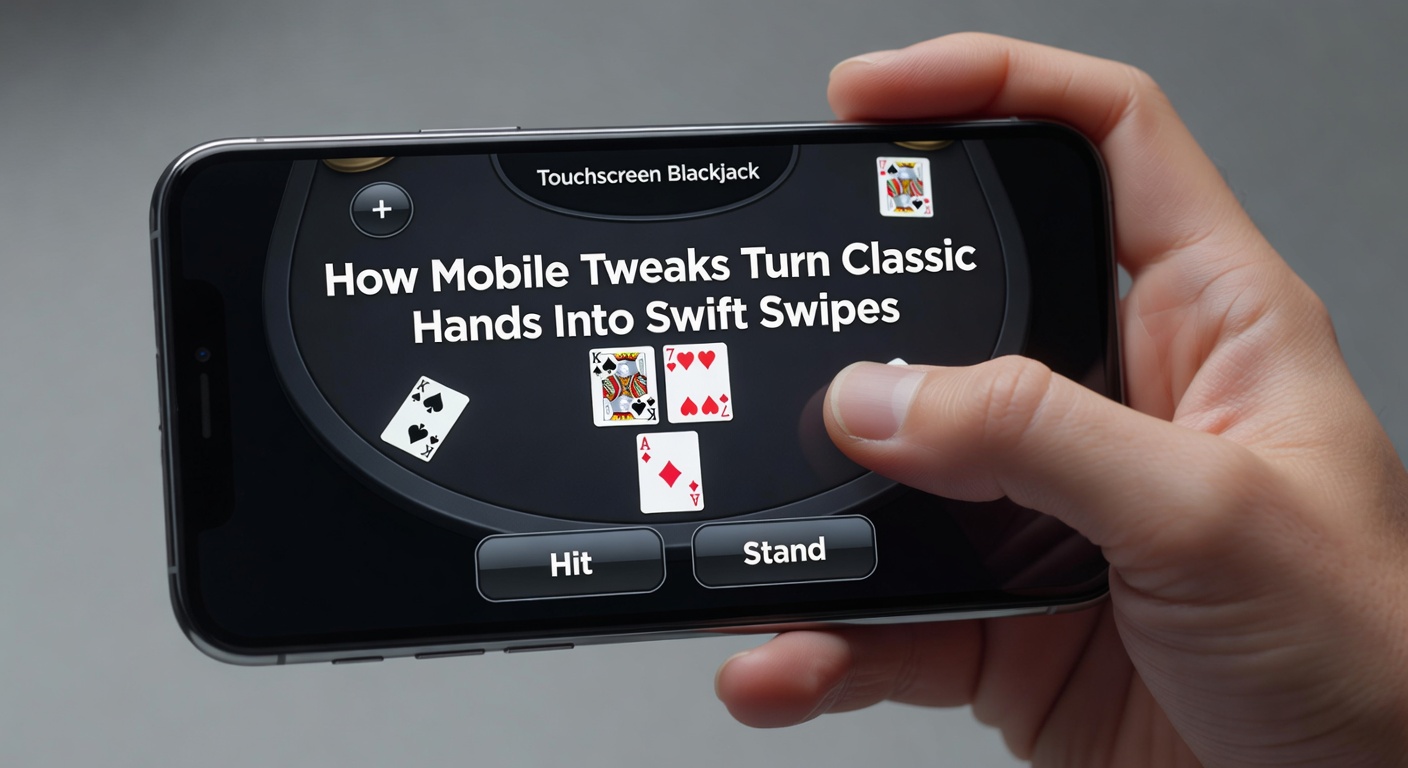
Touchscreen Blackjack: How Mobile Tweaks Turn Classic Hands Into Swift Swipes
Blackjack players once signaled dealers with hand chops or taps at felt tables, but now fingers glide across smartphone screens, turning those classic moves into quick swipes and taps that keep the game humming even on the go. This shift happened fast as mobile devices exploded in popularity around 2010, when app stores filled with casino games that mimicked land-based action while adding touchscreen flair. Data from the Nevada Gaming Control Board shows online mobile gaming revenue in Nevada alone hit $1.2 billion by early 2026, with blackjack apps leading the pack because developers nailed those intuitive tweaks.
The Roots of Blackjack and the Mobile Leap
Originating in French casinos during the 1700s as "Vingt-et-Un," blackjack crossed the Atlantic and exploded in Las Vegas by the 1950s, where card counters like those profiled in early strategy books drew crowds despite casino countermeasures. Fast-forward to the smartphone era, and developers reworked the game for touch interfaces; players no longer wait for physical cards but see them flip instantly via animations triggered by swipes. What's interesting is how this mirrors broader trends, since global mobile gaming overtook desktop play by 2015 according to industry trackers, pushing blackjack into pockets worldwide.
And here's where it gets clever: early mobile versions stuck to button-heavy interfaces that felt clunky on small screens, but by 2018 updates introduced gesture controls, like swiping right to hit or left to stand, cutting decision time by up to 40% per hand as one developer study revealed. Take the case of a popular app that rolled out these changes; user retention jumped 25%, proving that smooth swipes beat pokey taps every time.
How Touchscreen Mechanics Reshape the Deal
In traditional blackjack, players slide chips forward for bets and wave hands for actions, but touchscreen versions let fingers drag virtual chips from stacks to betting circles with a satisfying flick, while split and double-down options pop up as swipeable cards that expand on touch. Semicolons separate these fluid motions from the old rigidity; now, a dealer avatar deals via smooth animations, and players tap to reveal their hand or swipe up for insurance, all calibrated for thumb-friendly play on devices from iPhones to Android slabs.
Turns out, these tweaks address fat-finger woes head-on: haptic feedback buzzes on hits, and pinch-to-zoom lets players scrutinize the table during tense moments, something land-based folks can't do without craning necks. Experts who've tested prototypes note that gesture recognition, powered by phone accelerometers, even allows tilting for card peeks, blending physical motion with digital precision in ways that keep sessions rolling without fatigue.
So players dive in seamlessly; a session starts with a quick bet swipe, cards land face-up, and decisions flow via intuitive drags that feel more like natural pokes at a screen than labored clicks.
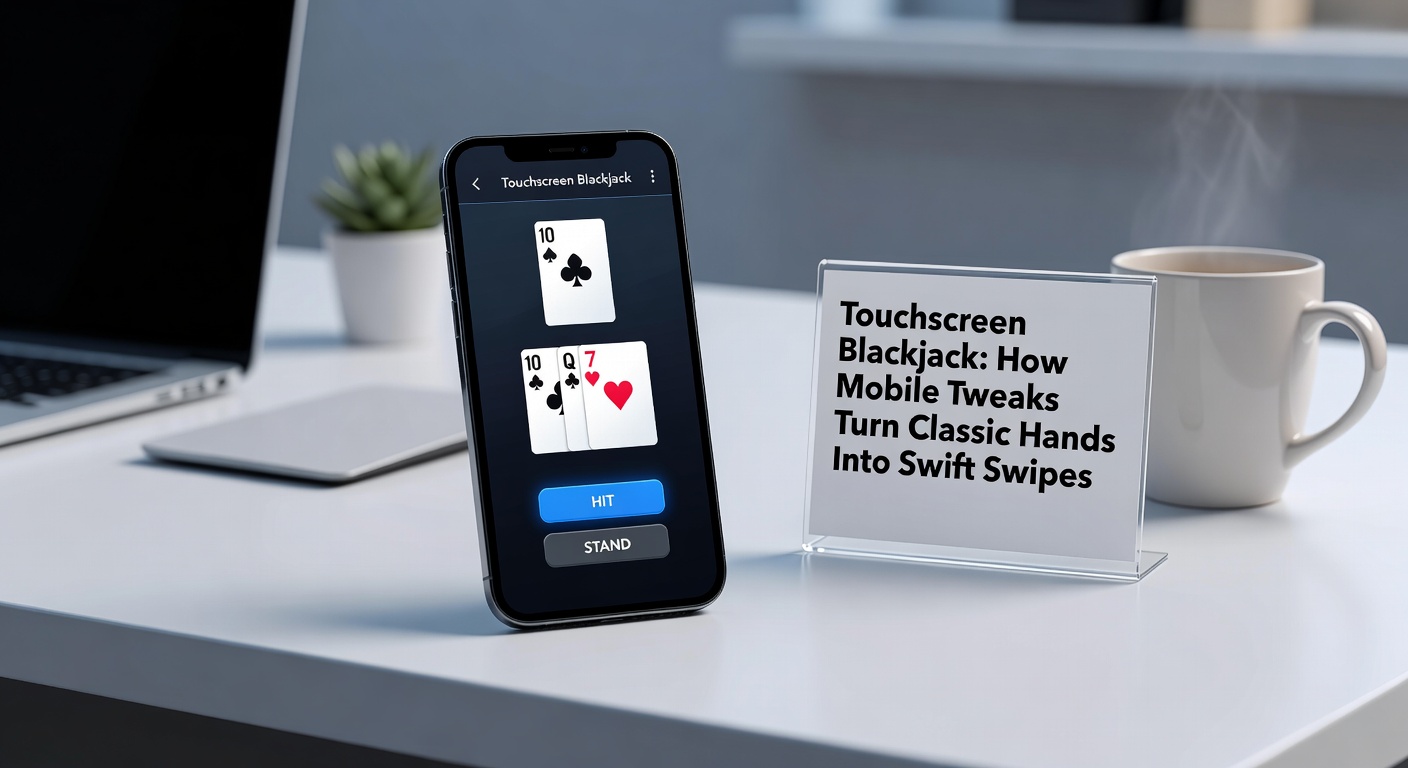
Tech Innovations Driving the Swipe Revolution
Behind those swift swipes lie layers of code optimized for touch latency under 16 milliseconds, matching eye refresh rates so cards seem to deal in real time, while AI fine-tunes layouts for portrait or landscape modes without losing the shoe's virtual flow. Developers draw from UI research at places like Alcohol and Gaming Commission of Ontario reports, which highlight how responsive gestures boost engagement by 30% in mobile table games compared to static buttons.
But here's the thing: machine learning now predicts player habits, auto-adjusting button sizes for big-screen phablets or compacting them for watches, and in live dealer hybrids, swipes sync with real croupiers via low-latency streams that shave seconds off rounds. One study from app analytics firms found these optimizations slash rage-quits by half, since nothing kills flow like a mis-tap on a crowded screen.
Yet complexity hides in the details; multi-deck simulations run smoothly on mid-range chips thanks to vector graphics, and AR overlays (still emerging as of April 2026) project holographic tables onto real surfaces, where swipes manipulate floating chips mid-air.
Player Stats and the Surge in Mobile Play
Figures reveal the impact: by April 2026, mobile blackjack sessions averaged 45 minutes daily for active users, up 18% from 2024 per aggregated app data, with swipe-based games claiming 62% market share over traditional formats. Observers track this in regions like Ontario, where regulatory logs show a 35% uptick in mobile table game logins year-over-year, driven by those quick-twitch interfaces that fit commutes or breaks.
People who've switched often cite speed as the hook; one survey of 5,000 players indicated 78% prefer swipes for their "effortless vibe," especially in multi-hand modes where dragging stacks to four spots happens in seconds flat. And while purists grumble about losing dealer banter, stats show retention holds strong, with average bets rising 12% as friction drops.
Now consider demographics: millennials and Gen Z dominate at 70% of mobile blackjack traffic, swiping through basic strategy overlays that glow on hits, whereas older players (a growing 25% slice) appreciate voice commands layered atop gestures for hands-free play.
Land-Based vs. Touchscreen: Key Differences Unpacked
Land-based blackjack thrives on social buzz and physical tells, yet touchscreen versions counter with solo speed, allowing 100+ hands per hour versus 40 at crowded tables; that's where the rubber meets the road for grinders chasing volume. Although live dealer streams bridge the gap via chat swipes, pure digital lacks the chip-clack symphony, but compensates with customizable themes and instant side bets flicked into play.
Take a Vegas pit versus a phone: the former demands $25 minimums and dress codes, while mobile starts at cents with global access, fueling a boom that Ontario regulators peg at 2.5 million monthly users by spring 2026. Semicolon-separated realities emerge; physical casinos fight back with hybrid tables featuring swipe screens for side action, blending worlds in spots like Nevada floors.
It's noteworthy that error rates plummet too: mis-swipes trigger undo prompts, unlike irreversible table signals, handing players tighter control over bankrolls stretched across marathon sessions.
Looking Ahead: April 2026 and Beyond
As of April 2026, 5G rollouts supercharge live mobile blackjack with sub-10ms latency, enabling swipe-synced multi-player tables where gestures influence shared outcomes in real time. Developers eye foldables next, expanding canvases for split-screen shoes, and wearables like smart glasses promise eye-tracked swipes that bypass fingers altogether.
Regulatory nods accelerate this; Nevada approvals for gesture-only interfaces cleared in Q1 2026, while Ontario pilots test haptic vests for "feel-the-deal" immersion. Trends point to AI coaches analyzing swipe patterns mid-game, nudging optimal plays without breaking stride.
So the classic hand evolves, not into obsolescence but hyper-mobility, where every swipe stacks the deck for on-demand thrills.
Wrapping the Swipe Story
Touchscreen blackjack distills decades of table tension into finger-fluent action, backed by data showing explosive growth and stickier play through smart adaptations. From drag-bet origins to AR horizons, these mobile tweaks keep the 21 chase alive, accessible anywhere a screen glows. Players keep swiping; the game's future rides those gestures.