Tiered Payout Pathways Guide Player Movement Between Mobile Sports Betting and Card Play
Jordan Becker · Jul 8, 2026
Tiered Payout Pathways Guide Player Movement Between Mobile Sports Betting and Card Play
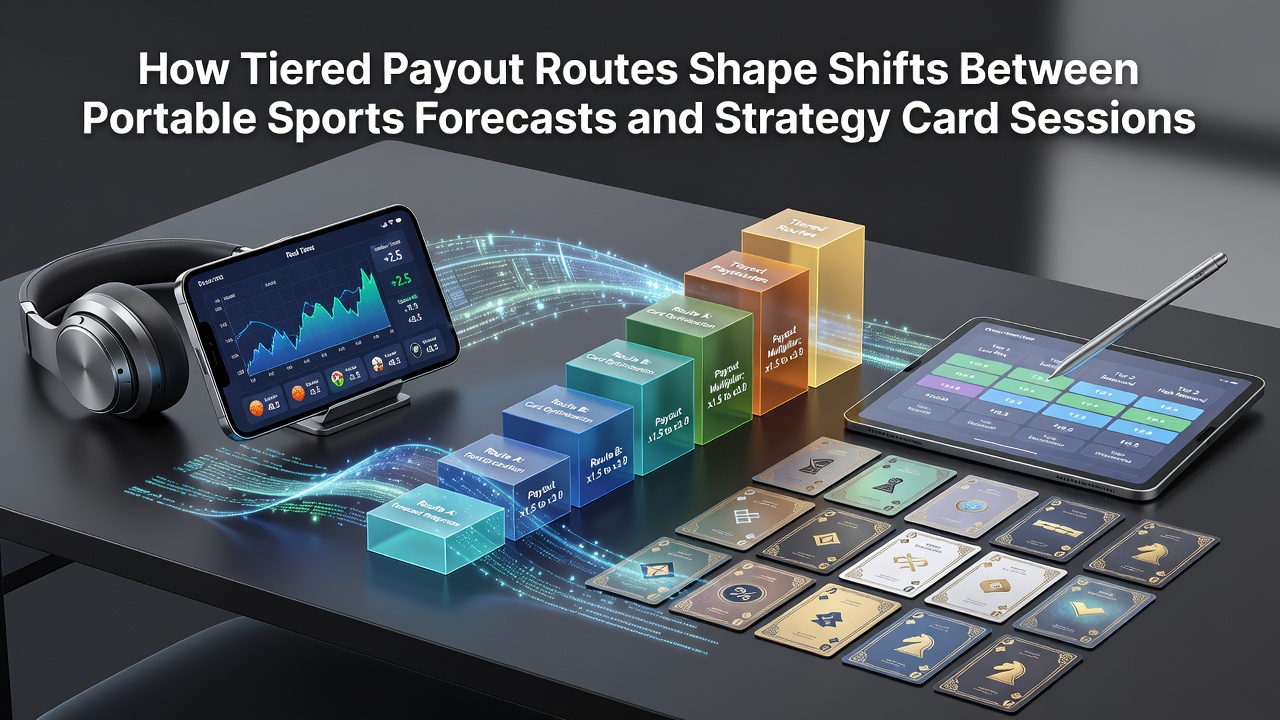
Platform operators structure tiered payout routes as graduated reward systems that scale cashback, bonus credits, and withdrawal speed according to cumulative activity across game categories, and these structures directly influence how users allocate time between portable sports forecasts and strategy card sessions. Data from multiple markets shows that players respond to escalating benefit levels by adjusting their session patterns, often moving from one format to another once they reach specific volume thresholds.
Operators define tiers through tracked metrics such as total handle, number of settled wagers, and average stake size, while each successive tier unlocks faster processing times for e-wallet transfers and higher percentage returns on losses. In July 2026 several major mobile platforms reported that users who crossed into mid-tier status increased cross-category play by measurable margins compared with those remaining in entry-level groups.
Mechanics of Tiered Payout Systems
Entry tiers typically deliver standard processing windows of twenty-four to forty-eight hours along with modest loss rebates, yet mid and upper tiers compress those windows to under four hours while raising rebate percentages and adding free-to-play credits applicable to either sports markets or table games. Because the same account tracks progress across both categories, a user who begins with sports wagers can apply those results toward card-session incentives without resetting accumulated volume.
Software records every settled sports forecast and every completed card hand in a unified ledger, so the route from one activity to the other remains seamless once a player decides to test the alternate format. Observers note that this unified tracking removes friction that previously kept users within a single vertical.
Observed Shifts in User Sessions
Analytics firms tracking anonymized mobile data have recorded distinct patterns in which sports bettors who reach tier two or three begin inserting card sessions into their routines, often during the same login period. The reverse movement also appears, with card-focused users adding live sports markets after accumulating table-game volume. These transitions occur because the payout acceleration and rebate improvements apply regardless of which vertical generated the qualifying activity.
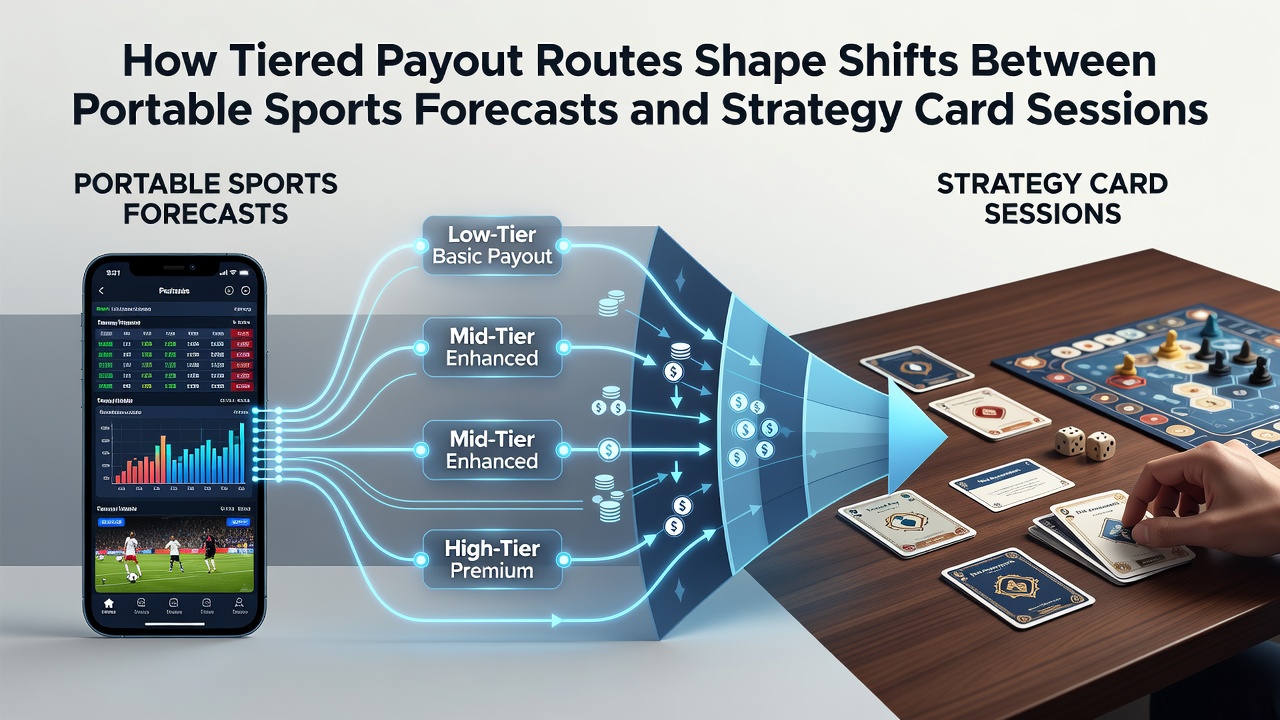
One longitudinal dataset compiled through mid-2026 indicated that accounts crossing the second payout tier displayed a thirty-one percent rise in weekly card hands alongside a twenty-two percent increase in sports markets placed, suggesting the incentive structure encourages breadth rather than concentration. Platform logs further reveal that many users alternate formats within a single evening once they recognize that continued volume advances them toward the next processing-speed upgrade.
Funding Routes and Incentive Alignment
Deposit and withdrawal channels integrate with tier status so that users at higher levels gain access to instant funding methods that apply equally to sports wallets and card chip purchases. This parity means a player finishing a sports session can immediately fund a card table without encountering different fee schedules or delay periods. Industry reports from the European Gaming and Betting Association document that platforms offering unified instant channels across verticals experience higher rates of format switching than those maintaining separate rails.
Promotional credits earned through either activity also carry no category lock in most implementations, allowing a sports-derived bonus to fund card play and vice versa. Such flexibility reinforces the incentive to explore both formats rather than remain within the initial choice.
Regulatory Context and Platform Adjustments
State and provincial regulators in North America and Australia have required transparent disclosure of tier criteria, and several jurisdictions now mandate that operators display real-time progress toward the next payout speed upgrade on the same screen used for both sports and card interfaces. These rules aim to ensure users understand how their activity in one area affects benefits available in the other. According to a 2025 research summary published by the Gambling Research Exchange Ontario, clearer visibility of tier progress correlates with more deliberate cross-format exploration rather than random switching.
Operators responded by standardizing the visual presentation of payout routes, placing the tier meter in a persistent header that remains visible whether the user views live odds or a card table. This design choice keeps the incentive structure top-of-mind during every session.
Conclusion
Tiered payout routes function as a connective mechanism that aligns reward acceleration with user volume across portable sports forecasts and strategy card sessions, producing measurable shifts in how players distribute their activity. Unified tracking, shared funding rails, and transparent progress indicators together reduce barriers between the two formats. Figures released through July 2026 continue to show that accounts advancing through payout tiers increase engagement breadth, confirming that the structure itself shapes movement patterns on mobile platforms.