Tennessee Governor Signs Bill Outlawing Sweepstakes Casino Operations
Jordan Frank · May 23, 2026

Tennessee Governor Signs Bill Outlawing Sweepstakes Casino Operations
Legislation Takes Effect After Governor's Approval
Governor Bill Lee signed a measure that classifies dual-currency online platforms offering casino-style games as unlawful gambling, and this action strengthens the state's regulatory enforcement powers while building on earlier enforcement efforts already underway in Tennessee.
Officials note the new statute aligns Tennessee with comparable actions taken in multiple other states, where similar platforms faced restrictions after regulators determined they operated outside established gambling frameworks, and enforcement teams now gain expanded tools to address violations directly.
Key Provisions Define Unlawful Operations
The legislation targets sweepstakes casinos that use dual-currency models, where players receive virtual credits through one system and redeemable rewards through another, and it explicitly places these arrangements under the umbrella of prohibited gambling activities rather than treating them as separate promotional formats.
State regulators receive clearer authority to investigate operators, issue cease-and-desist orders, and pursue penalties, which addresses gaps that prior rules left open when platforms claimed their mechanics fell outside traditional definitions of chance-based wagering.
Background Shows Pattern of Prior Actions
Enforcement teams had already moved against several dual-currency platforms in recent years, and those cases demonstrated the need for statutory language that removes ambiguity around whether such sites qualify as gambling enterprises under state law.
Observers point out that the signed bill codifies existing interpretations rather than creating an entirely new category, and it gives prosecutors and civil regulators a more direct path when platforms continue operations after receiving warnings.
Alignment With Other State Approaches
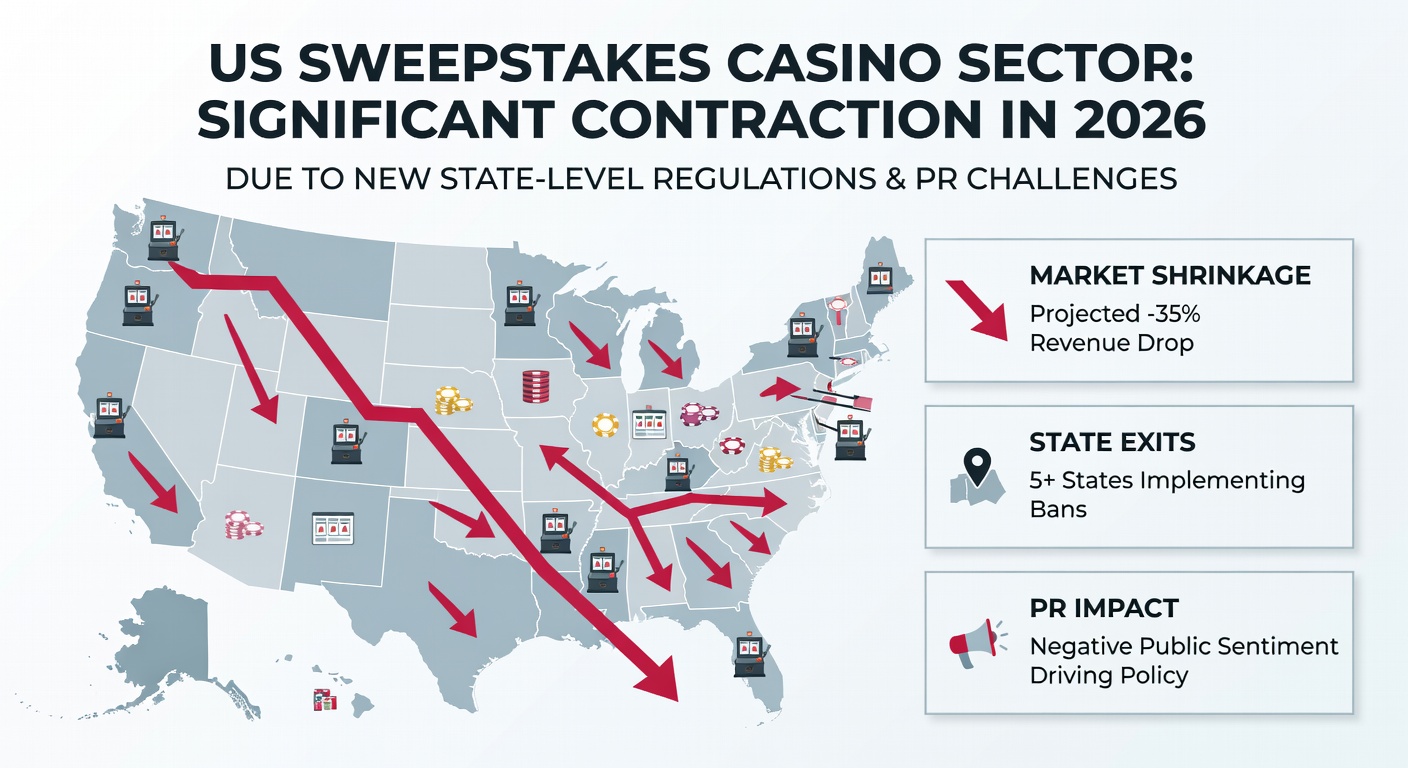
Similar crackdowns have occurred across multiple jurisdictions, where lawmakers updated statutes to cover sweepstakes-style casino offerings after courts and regulators examined how the dual-currency structure functions in practice, and Tennessee's version follows the same pattern of reclassification and strengthened oversight.
Data from industry tracking sources shows that at least five additional states implemented comparable restrictions within the past eighteen months, and those measures produced measurable declines in the number of active dual-currency sites accessible to residents in those areas.
According to reports from the National Conference of State Legislatures, the trend reflects a broader effort to maintain consistent boundaries around internet-based chance games regardless of how operators label their reward systems.
Enforcement Powers Expanded Under New Rules
The statute grants regulators authority to block payment processors from facilitating transactions tied to prohibited platforms, and it permits civil actions against third-party advertisers who promote sites that violate the new classification, and these tools extend beyond earlier enforcement options that focused primarily on direct operators.
Industry analysts tracking compliance note that the changes reduce the window for platforms to argue they operate in a legal gray area, and state attorneys gain clearer pathways when seeking injunctions or asset freezes during ongoing investigations.
Current Context in Mid-2026
As of May 2026, Tennessee regulators have begun implementing the new provisions, with initial guidance documents issued to financial institutions and internet service providers that may encounter traffic from banned platforms, and early coordination meetings with counterparts in neighboring states have already taken place to share enforcement strategies.
Those meetings focus on cross-border access issues that arise when residents use virtual private networks or out-of-state servers, and officials emphasize that the statute applies to any activity targeting Tennessee users regardless of server location.
Implications for Operators and Users
Operators who previously relied on sweepstakes models must now restructure or exit the Tennessee market entirely, and several have already announced compliance plans that include geo-blocking or complete service withdrawal from the state, and user accounts tied to Tennessee addresses face restrictions on both deposits and redemptions under the updated rules.
Payment processors and advertising networks receive updated compliance checklists that outline prohibited activities, and those entities risk secondary liability if they continue facilitating transactions after receiving formal notice from regulators.
Conclusion
The signed legislation marks a clear statutory endpoint to dual-currency sweepstakes casino operations in Tennessee, and it equips regulators with expanded powers that build directly on prior enforcement work while matching approaches already adopted elsewhere, and implementation efforts continue through coordinated guidance to financial and technology partners as the state moves forward with consistent application of the new framework.