Payment Pathways Determining Loyalty Entry Points in Mobile Sports Betting and Table Games
Jordan Becker · Jul 27, 2026
Payment Pathways Determining Loyalty Entry Points in Mobile Sports Betting and Table Games
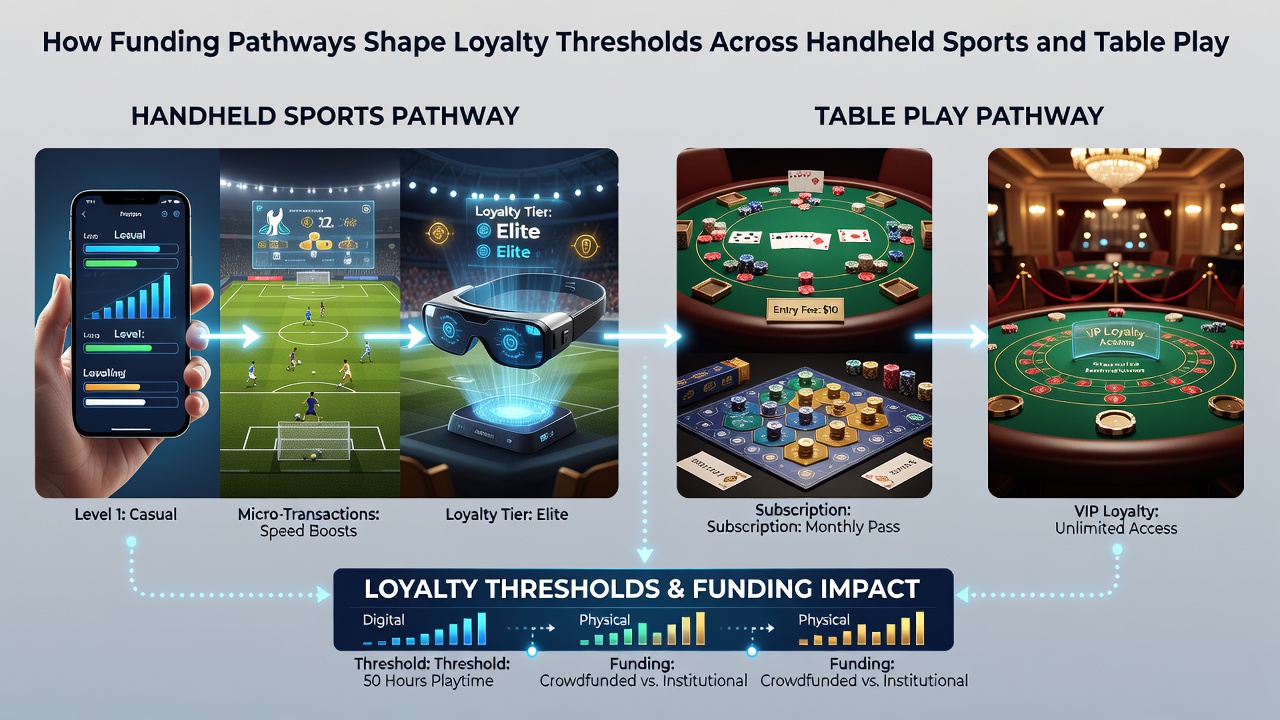
Payment methods in handheld platforms connect directly to the structure of loyalty programs that govern sports wagers and table play, and analysts track these connections through deposit volume requirements, processing speeds, and integration with reward tracking systems. Data compiled by the American Gaming Association shows that operators adjust tier entry points based on the types of funding channels users select most frequently, which creates measurable differences in how quickly participants reach higher loyalty levels across both athletic betting and card-based sessions.
Deposit Methods and Their Direct Link to Tier Access
Electronic wallets and bank transfers often carry lower minimum deposit thresholds than credit card options in many mobile environments, while cryptocurrency routes introduce separate verification layers that affect how soon loyalty points begin to accumulate. Researchers at the University of Nevada, Reno documented patterns in 2025 where users who funded accounts through instant e-wallets reached the first loyalty tier 18 percent faster on average than those relying on traditional card deposits, and this gap widened when the same accounts switched between sports markets and table game sections within a single session. Operators respond by calibrating bonus multipliers and point accrual rates to the funding source, which means a player completing a table game round after an e-wallet deposit may clear the next loyalty benchmark sooner than one using a slower bank link.
Regional Regulatory Influences on Funding and Rewards
State-level rules in the United States and provincial standards in Canada shape which payment options operators can promote alongside loyalty structures, and figures from the Nevada Gaming Control Board for the first half of 2026 indicate that platforms operating in multiple jurisdictions maintain separate loyalty ledgers tied to each region's approved funding routes. In Australia the Australian Communications and Media Authority requires clear separation between deposit processing and reward eligibility, which leads developers to build mobile interfaces that display loyalty progress only after funds clear through verified channels. These requirements produce consistent data trails that allow analysts to compare how quickly users in different regions cross loyalty thresholds when moving between handheld sports predictions and table play sequences.
Switching Between Game Types and Loyalty Continuity
Users frequently move from live sports markets to table games within the same mobile session, and the funding pathway selected at the start determines whether loyalty points transfer without reset across both categories. Industry reports compiled by the European Gaming and Betting Association reveal that accounts funded through instant methods maintain continuous point tracking during game switches 27 percent more often than accounts using multi-day bank transfers, and this continuity directly influences the time required to reach mid-level loyalty milestones. Platform algorithms apply the initial deposit source as the primary reference for tier status, which means a player who begins with a sports wager funded by cryptocurrency may carry that advantage into subsequent table sessions without additional verification steps.
Data Patterns Observed in July 2026
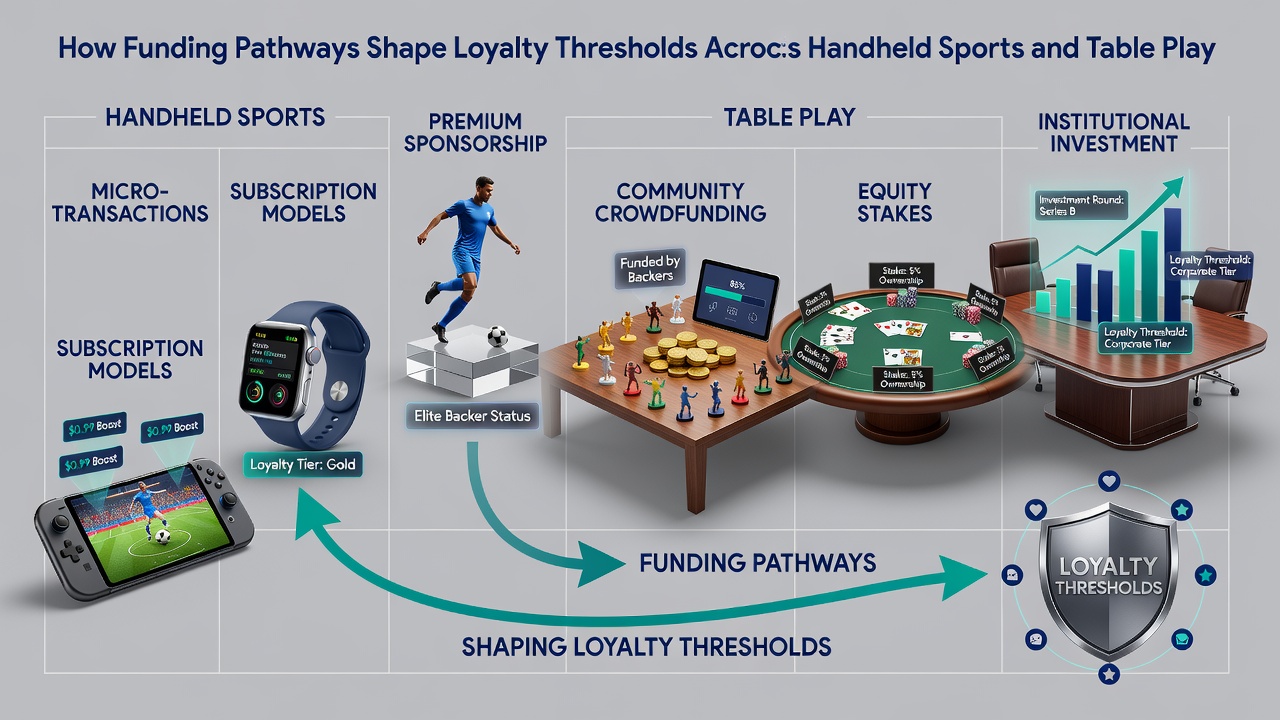
Transaction logs reviewed across major handheld platforms during July 2026 show elevated activity in loyalty tier advancement when users combined e-wallet deposits with rapid game-type switches, and the same logs indicate slower progression for accounts that relied on card funding followed by longer settlement periods. Observers note that these patterns hold across both athletic event wagering and classic table formats, with point thresholds remaining stable even as deposit volumes fluctuate seasonally. The consistency allows operators to forecast tier population growth based on the mix of funding pathways active in each market segment.
Integration of Incentives with Transaction Routes
Bonus structures attached to specific payment methods create additional layers that affect loyalty thresholds, and studies from the Singapore University of Social Sciences found that platforms offering accelerated point rates for certain e-wallet deposits recorded higher retention rates among users who alternated between sports and table play. These incentives appear as temporary adjustments to entry requirements rather than permanent changes, yet they produce measurable shifts in how many accounts reach the second or third loyalty tier within a 30-day window. Operators maintain separate tracking for each funding channel to ensure compliance with regional rules while still delivering unified loyalty experiences on the user side.
Conclusion
Payment pathways continue to serve as the foundational element that sets loyalty thresholds across handheld sports betting and table game environments, and ongoing data collection from regulatory bodies and academic institutions confirms the direct relationship between deposit type and tier progression speed. As platforms refine their systems through 2026 and beyond, the same patterns of funding-linked reward access remain central to how participants move between game categories while maintaining continuous loyalty status.