Patterns in How Promotional Tools Bridge Athletic Betting and Card Games Within Smartphone Ecosystems
Dana Hansen · Jun 3, 2026

Patterns in How Promotional Tools Bridge Athletic Betting and Card Games Within Smartphone Ecosystems
Smartphone applications that combine athletic betting with card games have developed structured promotional systems that connect these activities through shared reward pathways, and these systems rely on tiered incentives plus cross-activity bonuses to maintain user movement between sections of the same platform. Observers note that operators design these tools to create continuous engagement loops where activity in one area unlocks advantages in the other, and the patterns emerge most clearly in how mobile interfaces present offers that reference both sports wagers and table game play within single notification streams.
Cross-Activity Reward Structures
Promotional tools frequently convert progress from athletic betting into credits or multipliers usable in card games, while card game achievements generate free bets or stake enhancements for upcoming sports events, and this bidirectional flow appears in multiple applications that track user sessions across both categories. Data from platform analytics shows that users who receive a sports-derived bonus often apply it to blackjack or poker rounds within the same day, after which any resulting card game winnings feed back into sports-related promotions through loyalty point exchanges. Researchers at academic institutions studying digital gambling patterns have documented these sequences in user logs, noting consistent repetition across different device operating systems.
Many applications implement daily or weekly challenges that require completion of tasks in both domains before full rewards unlock, and the challenge lists typically combine a required sports bet amount with a set number of card game hands. Those who complete the full set receive tiered payouts that scale with overall activity level, and this structure encourages users to alternate between sections rather than remain in one area. Industry reports indicate that such combined challenges produce higher session durations than single-activity promotions alone.
Smartphone Interface Patterns
Mobile interfaces display promotional banners that update based on recent activity, so a user finishing a sports wager sees card game offers next, while card game players encounter sports-related incentives immediately afterward, and this sequencing relies on real-time data tracking within the application. Push notifications often reference completed actions in one category to promote the other, and the language used emphasizes continuity such as "your sports win unlocks table game spins" or "card game points now apply to football bets." These messages appear at consistent intervals during active hours, particularly in the early evening when usage peaks across multiple regions.
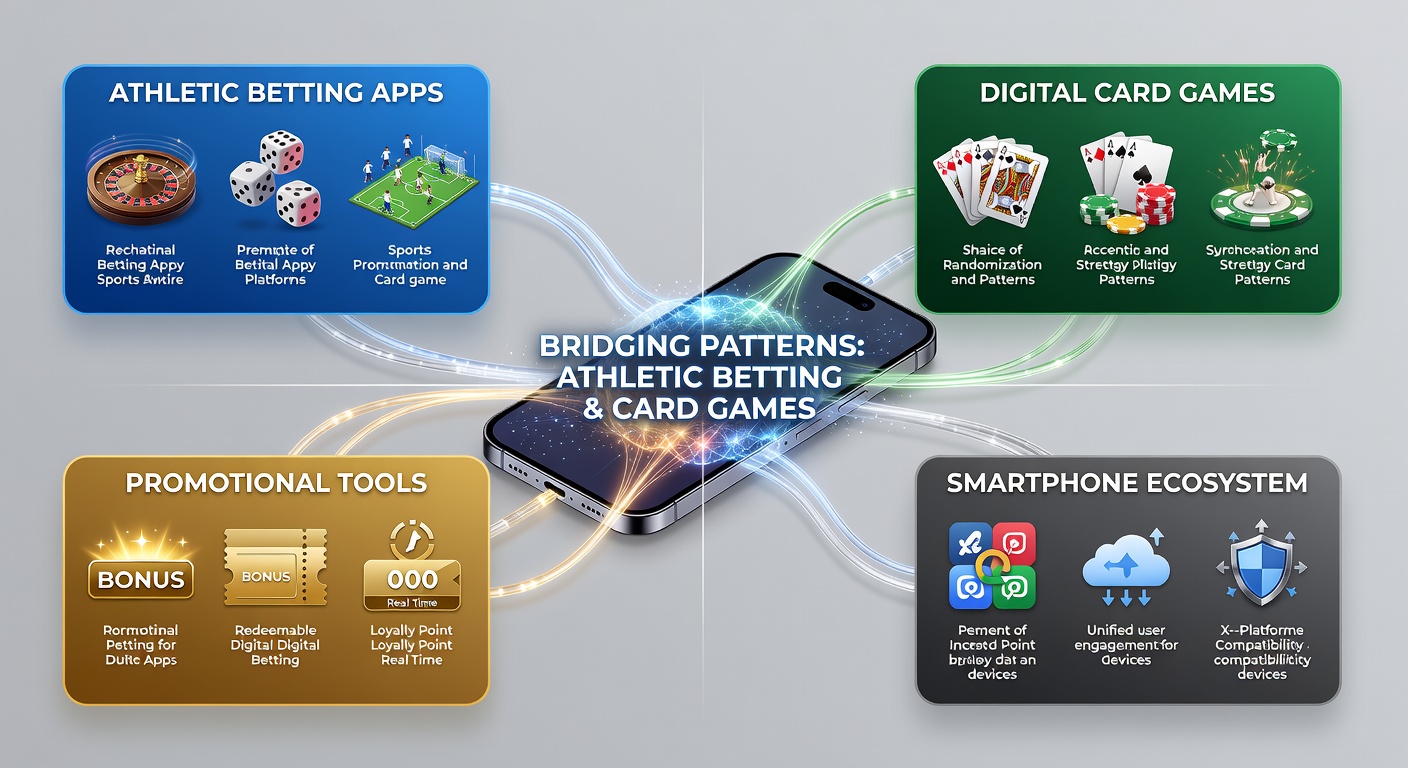
Application developers have incorporated swipe-based navigation that keeps both betting and card sections within two taps, and promotional overlays appear during transitions to highlight available offers that bridge the two areas. Users who switch frequently between athletic predictions and classic card encounters encounter more layered incentive structures than those who stay within one category, according to aggregated session data reviewed in 2025 studies. The patterns hold across different smartphone models and operating system versions released through early 2026.
Developments Observed in June 2026
By June 2026 several major platforms adjusted their promotional calendars to align with major athletic events and recurring card game tournaments, and these adjustments included synchronized bonus windows that activate only when users maintain balanced activity across both sections. Regulatory filings from multiple jurisdictions show operators reporting increased use of cross-category loyalty tiers, with point accumulation rates that accelerate when participants engage in both athletic betting and card games within the same week. Government agencies tracking mobile gambling in North America and Australia have noted similar structural changes in operator submissions during this period.
One documented approach involves progressive multipliers that apply across categories after a user reaches specific thresholds, such as placing athletic bets totaling a set amount followed by a minimum number of card hands. These multipliers then carry forward into the next promotional cycle, and operators present them through in-app progress bars that update after each completed action. External analyses from research organizations indicate that such systems appear more frequently in markets where smartphone penetration exceeds eighty percent of the adult population.
Conclusion
The observable patterns demonstrate that promotional tools in smartphone ecosystems function through interconnected reward mechanisms rather than isolated offers, and these mechanisms consistently direct user attention between athletic betting and card game sections to sustain platform engagement. Data collected through 2026 continues to show measurable differences in user retention when cross-activity incentives remain active compared with periods when promotions stay confined to single categories. Operators maintain these systems through continuous interface updates that reflect activity patterns across both areas, and the resulting structures appear stable across different regulatory environments examined in recent reports.