Mobile Transaction Networks Supporting Tier Continuity Across Sports Wagers and Live Dealer Experiences
Dana Hansen · Aug 26, 2026
Mobile Transaction Networks Supporting Tier Continuity Across Sports Wagers and Live Dealer Experiences
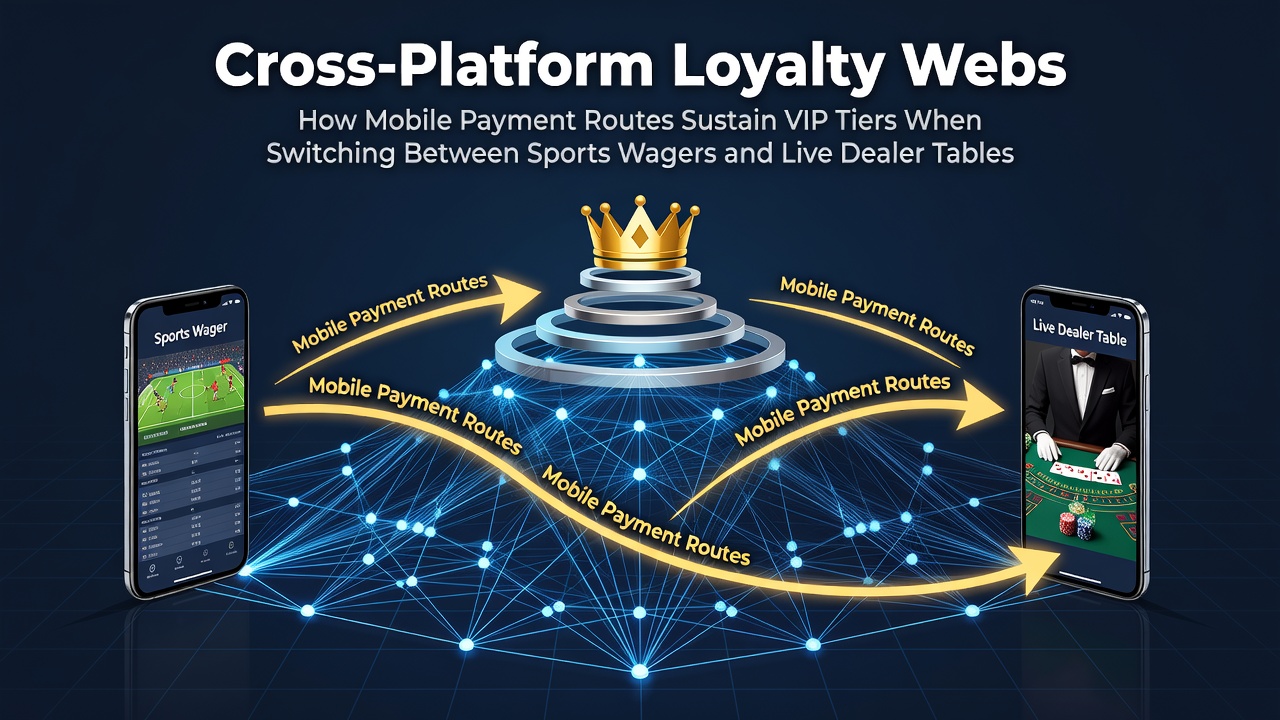
Payment systems on mobile platforms now connect different gaming formats through shared transaction histories that feed into unified loyalty structures, allowing participants to move between athletic wagers and live dealer tables without losing accumulated status points. Data from industry tracking services indicate these integrated routes track activity across categories using encrypted ledgers that update in real time, preserving tier eligibility based on combined volume rather than isolated session totals.
Mechanics of Cross-Format Payment Integration
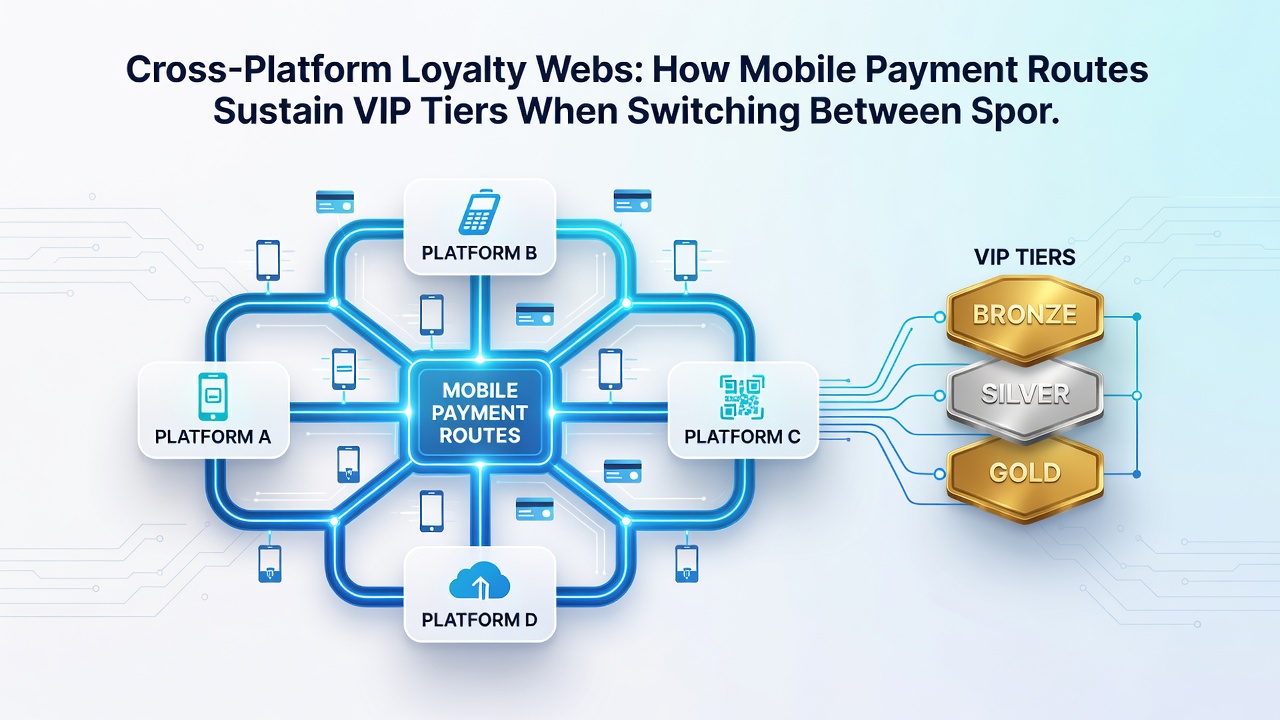
Operators deploy APIs that link e-wallet deposits and withdrawals directly to central loyalty databases, so a single funding action registers progress toward multiple reward thresholds simultaneously. When a user shifts from placing a sports wager to joining a live dealer session, the system recognizes the prior transaction history and applies it to ongoing tier calculations without requiring separate verification steps. Observers note that this approach reduces friction during transitions because the payment route itself carries the metadata needed for continuity, including timestamps and category flags that algorithms use to allocate points across game types.
Figures from platform analytics firms reveal that participants who utilize unified mobile payment channels maintain tier status at higher rates during format switches compared with those relying on disconnected funding methods. The process relies on standardized protocols that communicate with both sportsbook engines and table management software, ensuring every deposit or cash-out contributes to the same overarching profile regardless of the current activity.
Layered Incentive Structures and Tier Retention
Loyalty webs function through multi-tier matrices where points earned in one category convert at predetermined ratios when applied to another, such as converting sports betting volume into table game credits or vice versa. Mobile payment routes serve as the conduit by embedding category identifiers into each transaction record, which the backend then maps to the appropriate conversion tables. Researchers at gaming technology conferences have documented cases where these mappings prevent tier drops during extended periods of format switching, particularly when volume thresholds span both athletic predictions and card-based encounters.
In August 2026 several operators updated their routing logic to include predictive balancing features that anticipate upcoming switches based on recent payment patterns, automatically reserving a portion of points for the next category to smooth any potential gaps. This update aligns with broader trends in mobile infrastructure that prioritize continuous data flow between disparate game modules.
Examples from Operational Platforms
One large operator implemented a system where mobile deposits made via digital wallets automatically tag contributions to both sports and table segments, allowing users who alternate between formats to reach VIP milestones through aggregated activity alone. Those who've studied platform logs report that retention of elite tiers increased noticeably after the introduction of these tagged routes, because the payment layer eliminated the need for manual category transfers that previously caused delays. Another instance involved a regional provider adjusting its protocols to mirror transaction values across formats in real time, so a live dealer session funded by winnings from a prior sports wager carried forward the original tier weighting without interruption.
Industry reports from the Canadian Gaming Association highlight similar patterns in jurisdictions where mobile payment regulations emphasize transaction transparency, noting that integrated routing supports compliance while sustaining player engagement across multiple offerings. The reality is that such systems reduce administrative overhead for operators because point allocation happens at the payment processing stage rather than through post-session audits.
Regulatory Context and Data Standards
Government agencies in various regions require detailed audit trails for cross-category transactions, which mobile payment routes satisfy by maintaining immutable records of each transfer and its associated loyalty impact. The Australian Communications and Media Authority has referenced comparable frameworks in its oversight of digital gaming services, emphasizing that consistent data standards help verify fair distribution of tier benefits during format changes. These requirements encourage operators to design payment pathways that inherently support loyalty continuity rather than treating it as a separate module.
What's interesting is how the same infrastructure also aids in meeting responsible gaming mandates, since unified records make it easier to monitor overall activity levels irrespective of the specific game type in use at any moment. Platforms that adopted these standards earlier demonstrated smoother transitions when new regulatory updates took effect in 2026.
Conclusion
Mobile payment routes have become central to sustaining VIP tiers by embedding loyalty tracking directly into transaction flows that span sports wagers and live dealer tables. The technical linkages, conversion matrices, and regulatory alignments together create environments where participants experience uninterrupted status progression. Data continues to show that platforms investing in these integrated systems achieve more stable tier distributions across user bases that regularly switch formats, reflecting broader evolution in how digital gaming ecosystems manage cross-activity incentives.