Integrated Support Systems Sustaining Elite Player Tiers During Shifts Between Sports Wagering and Table Play via Flexible Deposit Methods
Jordan Frank · Aug 8, 2026
Integrated Support Systems Sustaining Elite Player Tiers During Shifts Between Sports Wagering and Table Play via Flexible Deposit Methods
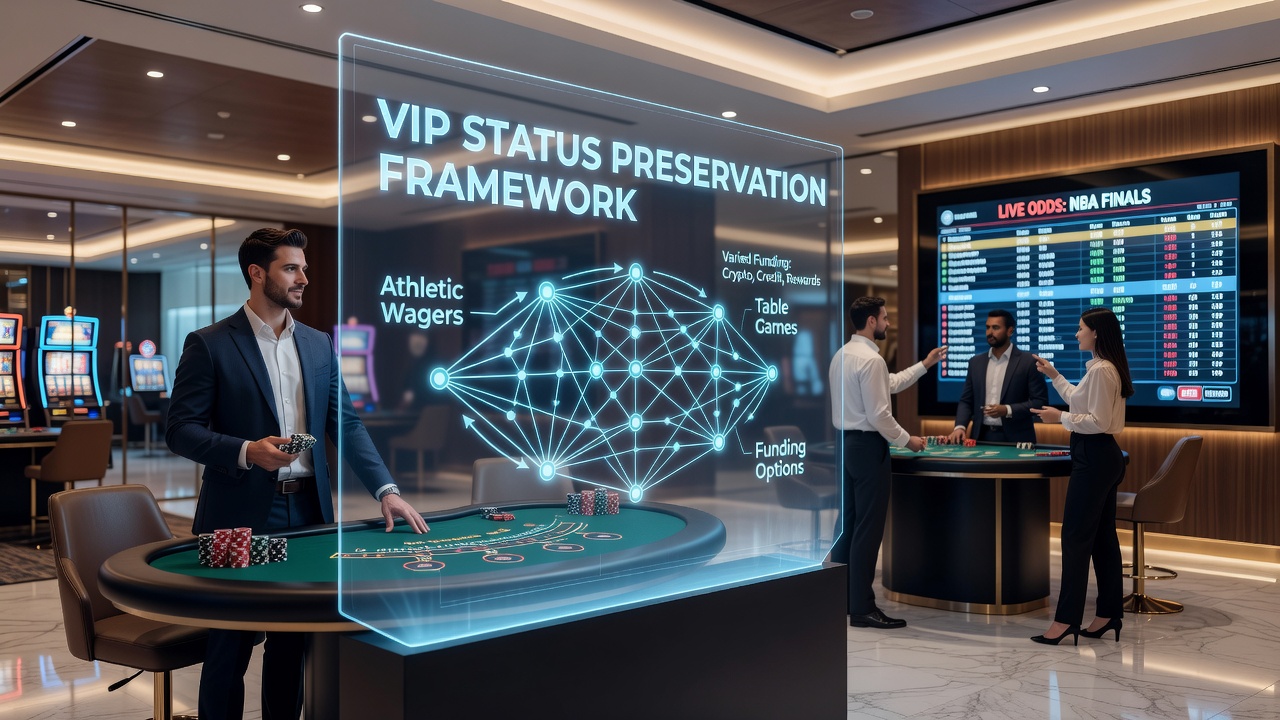
Support frameworks in digital gaming environments track player activity across sports wagering and table games while accommodating varied funding routes such as e-wallets, bank transfers, and cryptocurrency deposits. These systems consolidate activity data into unified loyalty profiles that prevent tier drops during game type transitions. Observers note that platforms implement centralized databases to record wagers from athletic events alongside table game sessions, ensuring points accumulate without category-specific resets.
Core Mechanics of Tier Preservation
Platforms maintain VIP eligibility through real-time synchronization of transaction records and gameplay metrics. When a player moves from placing athletic wagers to engaging in table games, automated protocols adjust contribution values based on predefined multipliers that account for both volume and funding source. Research from the American Gaming Association indicates that integrated loyalty engines now process cross-category data streams within seconds, reducing gaps that previously triggered status reviews.
Funding flexibility plays a direct role in these calculations. Deposits made through instant e-wallets often receive accelerated point credits compared with traditional bank transfers, yet frameworks normalize these differences so that total activity determines tier standing rather than payment method alone. Data shows consistent tier retention rates improve when operators apply uniform valuation rules across all deposit channels.
Customer Assistance Protocols and August 2026 Developments
Customer support teams receive specialized training to handle tier queries involving multiple game formats and payment types. Representatives access unified dashboards that display combined sports and table activity plus funding history, allowing them to confirm status continuity without requiring players to submit separate verifications. In August 2026 several major operators rolled out enhanced API connections between payment processors and loyalty servers, which shortened verification times during high-volume transition periods.
Those who study player behavior patterns report that seamless funding options reduce friction points that once led to temporary tier suspensions. For instance, players shifting from live sports betting markets to blackjack tables can maintain momentum because the framework automatically reconciles deposit timestamps with gameplay logs, preserving streak bonuses and milestone rewards.

Technical Architecture Behind Cross-Game Continuity
Backend systems rely on modular loyalty engines that assign weighted values to different activities while remaining agnostic to the funding route used. Sports wager stakes might contribute at one rate while table game buy-ins follow another, yet both feed into the same progressive tier ladder. Industry reports from the Canadian Gaming Association highlight that operators adopting these modular designs recorded fewer status-related support tickets after implementation.
Security layers verify each funding transaction before points post to the shared profile. Cryptocurrency deposits undergo blockchain confirmation checks that integrate directly with loyalty scoring, ensuring no delay occurs when players alternate between athletic predictions and card-based sessions. This architecture prevents the fragmentation that previously occurred when separate ledgers existed for sports and table divisions.
Regulatory Context and Industry Standards
Regulatory bodies across multiple jurisdictions require transparent reporting of how loyalty calculations span game categories. The Pennsylvania Gaming Control Board publishes guidelines mandating that operators disclose contribution rates for sports versus table activity within unified programs. Compliance frameworks now include audit trails that log every cross-category point transfer and funding method used, creating verifiable records for both players and regulators.
Operators that align internal support protocols with these standards experience smoother tier transitions. Automated alerts notify players when their combined activity approaches the next threshold, regardless of whether recent wagers originated from sports markets or table environments. Such notifications rely on aggregated data pulled from all active funding channels.
Conclusion
Support frameworks that preserve VIP status function through unified data integration, normalized point valuation across funding methods, and responsive assistance protocols. These elements allow players to move between athletic wagers and table games without losing accumulated benefits. Continued refinement of technical connections between payment systems and loyalty engines supports consistent tier maintenance as participation patterns evolve.