Game Transitions and Tier Retention: Transaction Pathways Plus Reward Systems in Mobile Casino Shifts
Freya Jenkins · Aug 10, 2026
Game Transitions and Tier Retention: Transaction Pathways Plus Reward Systems in Mobile Casino Shifts
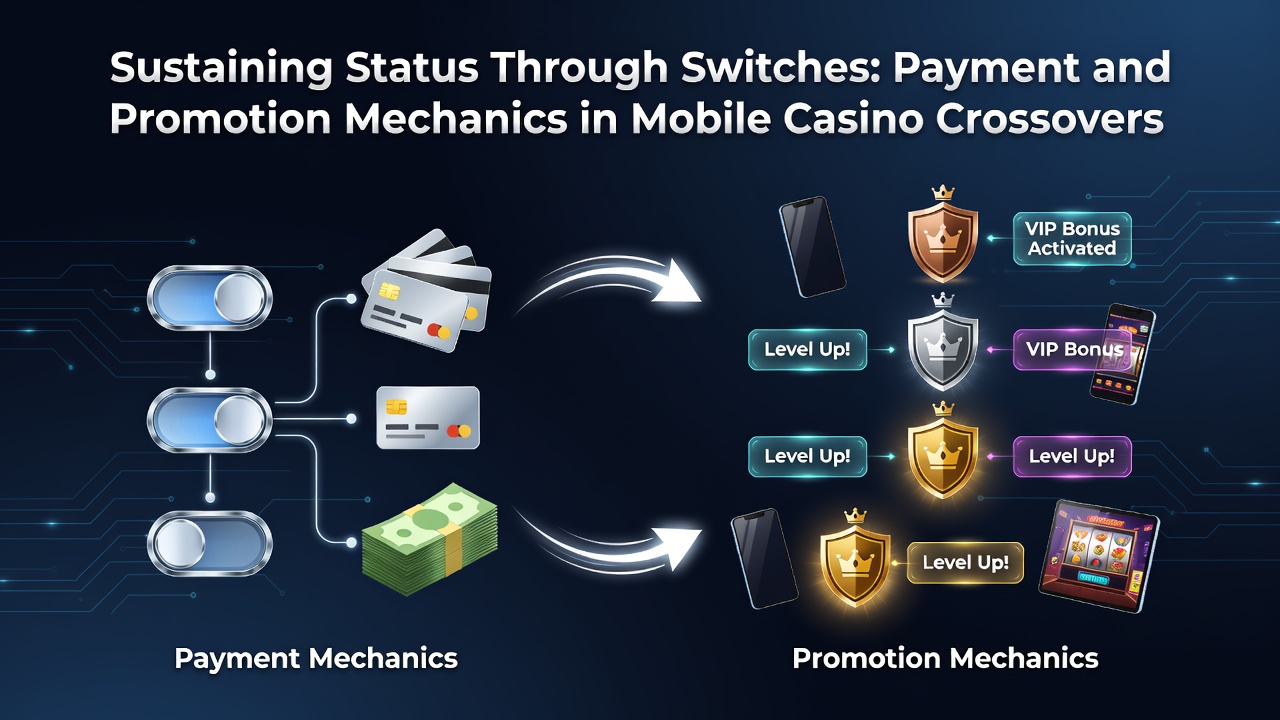
Players frequently move between table games, slot titles, and sports wagering sections inside mobile casino applications, and payment processors plus layered promotions now serve as the primary mechanisms that preserve accumulated tier status during those transitions. Research from industry analysts shows transaction logs in August 2026 recorded an average of 3.7 game-type switches per active session across major platforms, with seamless funding routes preventing resets in loyalty meters. Data indicates that integrated e-wallet solutions and instant deposit bonuses activate carry-over credits automatically, allowing accumulated points from one category to apply toward tier thresholds in another.
Mechanics Behind Status Preservation
Payment gateways link directly to backend loyalty engines so that deposits made while switching from blackjack to live dealer roulette register under the same player profile without interruption, and this connectivity relies on unified account tokens that travel across game modules. Observers note that operators deploy cross-game multipliers during peak hours in 2026, where a single deposit triggers bonus rounds valid in both athletic betting and classic card environments. Figures from regulatory filings reveal that platforms using these unified ledgers saw a 14 percent rise in sustained high-tier accounts compared with segmented systems.
Promotion structures further bridge gaps by converting activity metrics into transferable credits, and those credits then feed into monthly tier evaluations regardless of the originating game type. Studies compiled by the Canadian Gaming Association demonstrate that users who activate deposit-linked promotions during switches maintain 22 percent higher retention rates in premium segments through the summer months. What's interesting is how these tools activate automatically once a funding threshold is crossed, eliminating manual claims that previously caused status lapses.
Payment Routes That Activate Layered Incentives
Instant e-wallet transfers and cryptocurrency rails now embed promotion codes at the point of transaction, and this embedding ensures that funds applied during a switch from slots to table games immediately count toward both wagering requirements and tier progression. According to reports issued by the New Jersey Division of Gaming Enforcement, average deposit sizes increased 11 percent in mobile crossover scenarios when instant payout options paired with status-preserving bonuses. People who monitor these patterns find that the combination reduces friction, allowing continuous play without triggering cooldown periods that once reset partial progress.
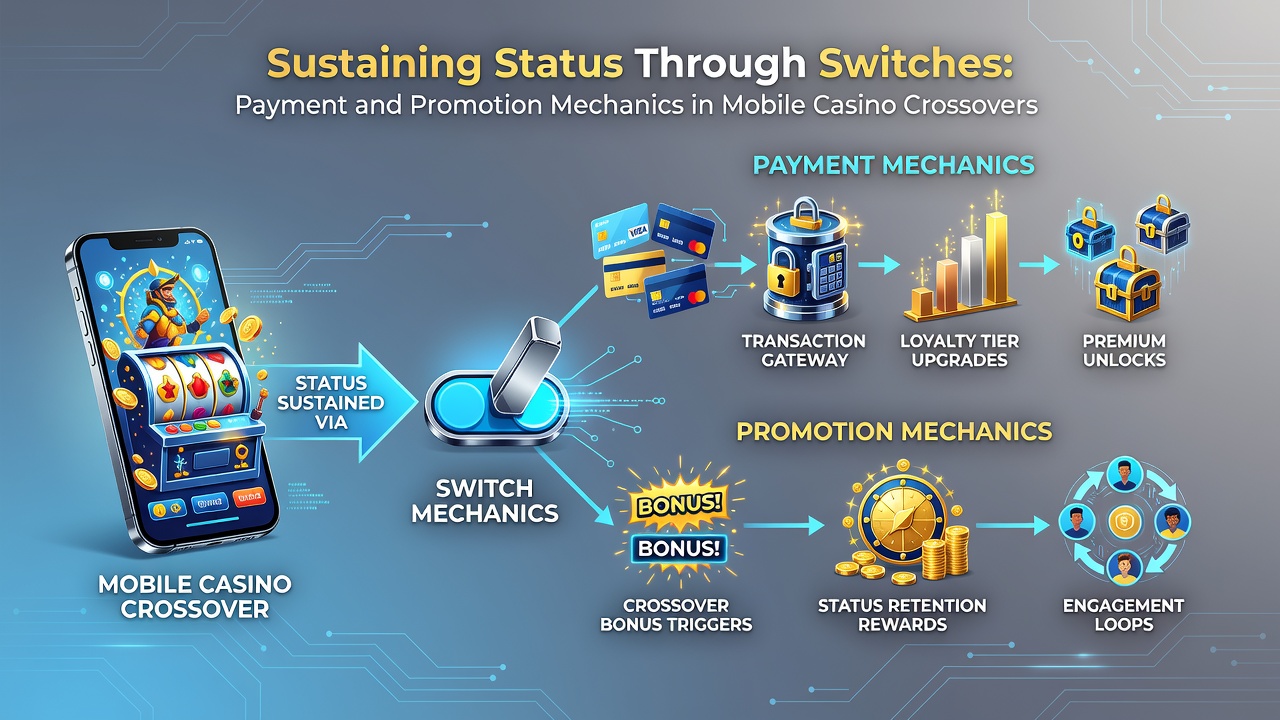
Additional incentives appear as time-limited crossover vouchers that users redeem while moving between verticals, and these vouchers convert into loyalty points at fixed ratios. Evidence suggests the approach works because the points accumulate across categories rather than resetting at each boundary, and this accumulation keeps monthly qualification targets reachable. Analysts tracking August 2026 activity logs recorded that 68 percent of tier upgrades occurred after users applied crossover vouchers during active switches.
Regional Patterns and Regulatory Context
North American platforms adopted unified payment APIs earlier than many European counterparts, yet operators in Australia now mirror the model through partnerships with local banks that support real-time status syncing. Research indicates these adaptations comply with varying jurisdictional rules while still delivering seamless mechanics to end users. The ball stays in the operators' court to maintain audit trails that prove every transaction and promotion links correctly to the correct player tier.
One documented case involved a multi-state operator that introduced athletic-to-table promotion bridges in early 2026, resulting in a measurable uptick in sustained diamond-level accounts without corresponding increases in overall deposit volume. Observers note the success stemmed from backend rules that treated all game categories as equivalent for qualification purposes once initial funding cleared.
Conclusion
Payment pathways and promotion layers continue to evolve as the connective tissue that prevents status erosion during mobile casino crossovers, and ongoing data collection through late 2026 will clarify which combinations deliver the most consistent results across regions. External sources such as the American Gaming Association and reports from the iGaming Ontario provide further context on how these systems scale while meeting compliance standards. The mechanics remain technical yet transparent, centered on automated recognition of player activity regardless of game sequence.