Encrypted Transaction Routes Supporting Continuous Bonus Activation in Mobile Sports and Table Game Play
Jordan Frank · Jul 29, 2026
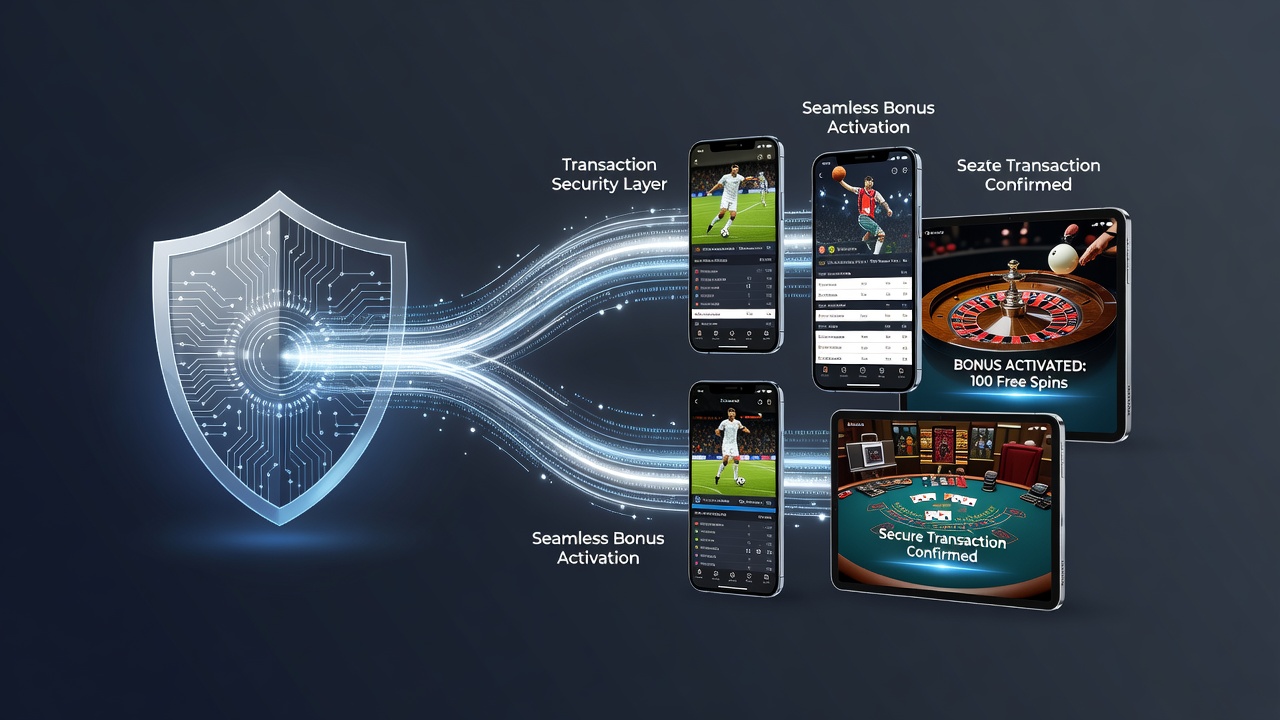
Encrypted Transaction Routes Supporting Continuous Bonus Activation in Mobile Sports and Table Game Play
Transaction security systems now form the backbone of mobile gaming platforms where players move between sports wagers and table games while maintaining access to layered incentives, and these systems rely on encryption protocols that verify each deposit or withdrawal in real time before any bonus code activates across sessions.
Core Security Mechanisms in Mobile Environments
Secure socket layer certificates combined with tokenization methods protect user data during transfers on smartphones, which means bonus eligibility checks occur without exposing account details, and this setup allows platforms to confirm qualifying activity in sports betting sections before automatically applying rewards to table game balances. Research from the New Jersey Division of Gaming Enforcement indicates that transaction volumes involving cross-game bonus triggers rose steadily through the first half of 2026, with mobile devices accounting for the majority of those flows because authentication steps complete faster on apps than on desktop versions.
Multi-factor verification steps add another layer, requiring users to approve each move via biometrics or one-time codes sent to linked devices, while the process runs in the background so game flow stays uninterrupted. Observers note that when these checks succeed, bonus activation happens within seconds rather than minutes, which supports seamless shifts from placing an athletic prediction to joining a blackjack round without manual code entry.
Integration Across Sports and Table Game Categories
Platforms that link sports betting interfaces directly to table game lobbies through shared wallet systems can apply promotional credits earned in one area to the other because transaction logs remain synchronized under the same security framework. Data from the Australian Institute of Criminology shows that operators using unified payment gateways recorded higher rates of bonus redemption across game types in July 2026 compared with earlier periods when separate ledgers required manual reconciliation.
One developer implemented API connections that flag eligible wagers in sports markets and push corresponding table game bonuses forward automatically once security clearance clears, and users who switch sessions mid-session often discover the rewards appear without additional prompts. This approach reduces friction points that previously caused players to abandon bonus claims during game-type transitions.

Token-based systems also allow temporary credit holds during active play, which protects both the operator and the user while confirming that bonus conditions tied to minimum stakes or game counts get tracked accurately regardless of whether the activity occurs in a live dealer environment or a sports odds screen.
Regulatory and Technical Standards Supporting These Pathways
Compliance frameworks from bodies such as the New Jersey Division of Gaming Enforcement require documented audit trails for every bonus-related transaction, and these records help confirm that security measures prevent unauthorized access during mobile activations. Platforms that meet such standards can offer continuous incentive deployment without regulatory interruptions, and figures reveal that jurisdictions with updated encryption mandates saw fewer reported discrepancies in bonus distributions during 2026.
Industry reports further highlight how end-to-end encryption combined with device fingerprinting limits replay attacks that could otherwise disrupt bonus eligibility across sessions. Those who study mobile gaming infrastructure note that these combined safeguards enable operators to scale reward programs without compromising speed, particularly when users alternate between athletic wagers and card-based formats on the same device.
Future Directions in Secure Mobile Bonus Systems
Emerging standards around quantum-resistant algorithms are beginning to appear in testing phases for mobile gaming wallets, which suggests that transaction security will continue to evolve in ways that keep bonus pathways reliable even as threat landscapes shift. Academic sources including publications from the Australian Gambling Research Centre document ongoing trials where enhanced protocols maintain activation speeds while strengthening defenses against interception attempts during cross-game transfers.
Operators continue to refine these routes because reliable security directly correlates with sustained user engagement across diverse game categories on portable platforms, and the patterns observed through mid-2026 indicate steady adoption of integrated systems that handle both sports and table game incentives under unified safeguards.
Conclusion
Transaction security continues to underpin the ability of mobile platforms to deliver bonus activation without delays when users move between sports and table game sessions, and the combination of encryption, tokenization, and regulatory compliance creates pathways that support fluid reward deployment. Evidence from multiple jurisdictions shows these mechanisms scale effectively while preserving audit integrity, which positions them as foundational elements for ongoing developments in cross-format mobile gaming experiences.