Assistance Protocols Enabling Tier Retention During Game Type Switches on Portable Platforms
Freya Jenkins · Jun 8, 2026
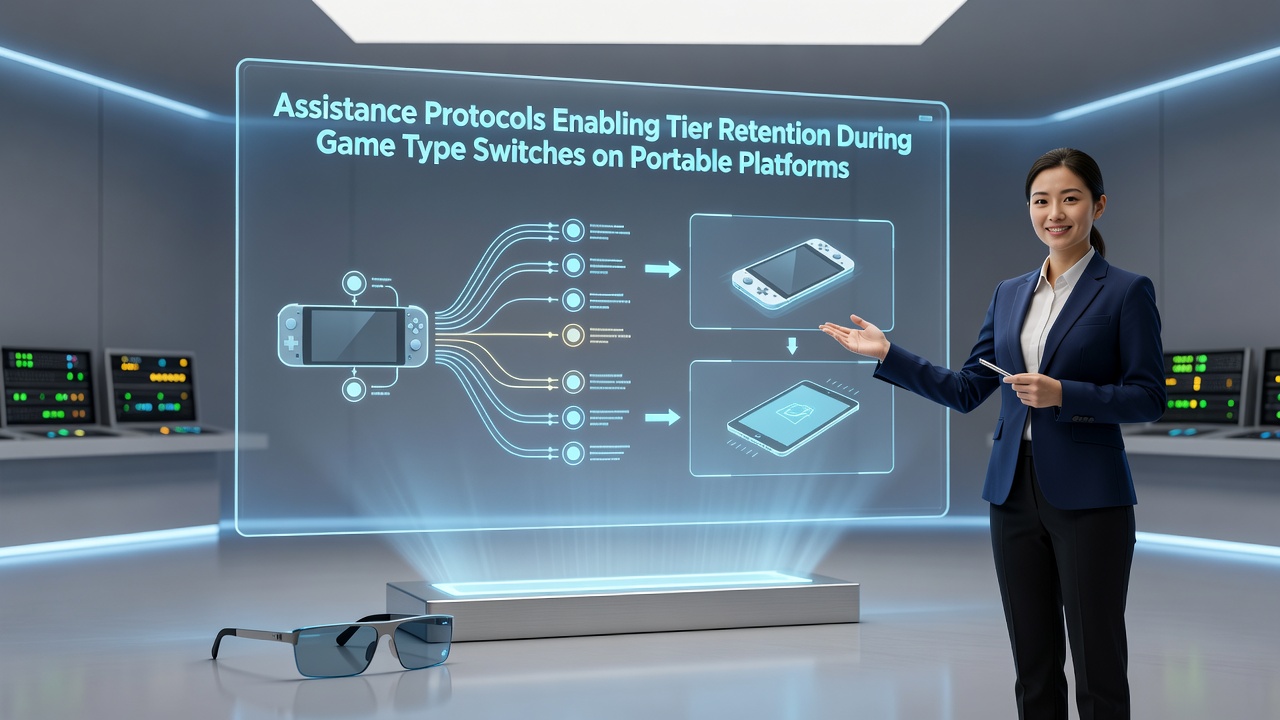
Assistance Protocols Enabling Tier Retention During Game Type Switches on Portable Platforms
Portable platforms now handle complex loyalty structures that span multiple game categories, and assistance protocols have emerged as the key layer that preserves user tiers when players move between slots, table games, sports wagers, and live dealer sessions on the same device. These systems track progression metrics across game types rather than isolating them within single verticals, which means a user who accumulates points in one format can carry that standing into another without resetting the clock on status levels.
Cross-Format Tracking Foundations
Modern mobile applications record activity through unified player accounts that link every session to a central profile, allowing algorithms to calculate tier eligibility based on total engagement rather than game-specific volume. Data shows that platforms using these unified ledgers report higher retention rates during switches because the system automatically validates prior activity before the player even loads the new interface. Observers note that this approach reduces friction that once forced users to start over when they changed game categories mid-session.
Support Mechanisms in Action
Assistance protocols operate through a combination of automated scripts and human agents who intervene when the switch triggers a verification flag. Automated scripts scan transaction histories and point balances in real time, then apply retention rules that confirm the tier remains intact even if the new game type uses a different scoring model. When flags appear, agents review the account history and issue confirmations that restore visible tier indicators within the mobile interface, often completing the process in under two minutes according to internal platform logs shared with industry groups.
One documented workflow involves a player moving from a video slot session to a live blackjack table on the same phone. The protocol first checks cumulative points earned across both categories, applies any multipliers attached to the current tier, and then pushes an updated status banner to the screen without requiring manual input from the user. Research from mobile gaming analytics firms indicates these interventions occur most frequently during peak evening hours when device switches between portrait and landscape modes coincide with game-type changes.
Regulatory Context and June 2026 Updates
By June 2026 several jurisdictions had issued guidance requiring transparent documentation of tier-retention rules whenever platforms allow cross-game activity on portable devices. The guidance emphasizes that players must receive clear on-screen notices when their status carries over, which has prompted developers to embed protocol summaries directly into account dashboards. Figures released by the Nevada Gaming Control Board reveal a measurable uptick in compliance filings that specifically address mobile tier continuity during the first half of 2026.
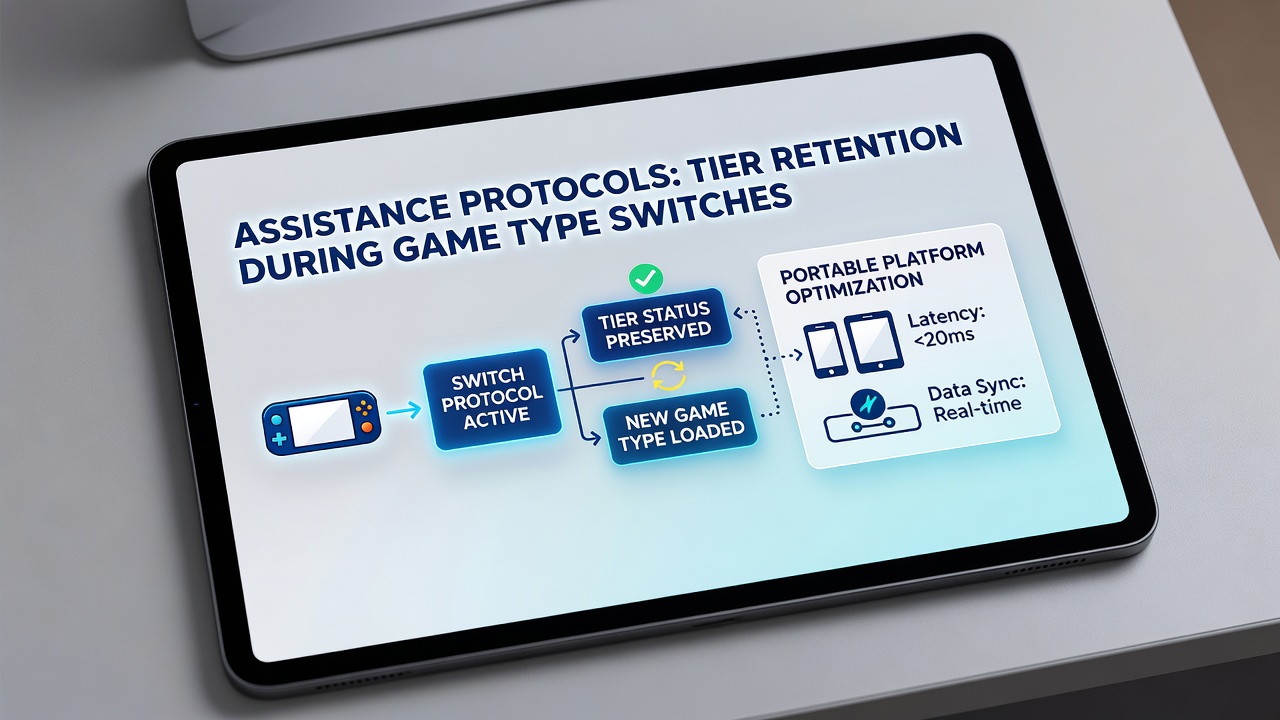
Industry organizations such as the American Gaming Association have published best-practice documents that outline minimum response times for assistance protocols, encouraging operators to resolve tier discrepancies within a single active session. These documents stress the importance of audit trails that log every automated and manual intervention so regulators can verify that retention occurs consistently across all portable platforms.
Technical Implementation Patterns
Platforms typically deploy API endpoints that synchronize tier data across game servers the moment a player selects a new category. The endpoints pull historical point totals, apply any time-based decay rules that might affect standing, and return an updated tier object to the mobile client before the new game loads. When inconsistencies surface between servers, the assistance protocol queues the account for manual review while temporarily displaying the last confirmed tier to prevent visible downgrades during the transition.
Studies conducted by university research teams in Canada have examined how these synchronization processes affect user behavior, finding that visible continuity correlates with longer session durations on tablets and phones. The same studies note that protocols incorporating push notifications about retained status produce fewer support tickets compared with systems that rely solely on in-app status bars.
Challenges Observed in Deployment
Network variability on portable devices sometimes interrupts the synchronization step, forcing protocols to fall back on cached tier data until connectivity returns. Operators address this by designing fallback rules that honor the most recent verified tier for up to 48 hours, after which the system prompts a background refresh. Reports from the Australian Communications and Media Authority highlight that such fallback windows have reduced player complaints related to temporary status loss during travel between network zones.
Another recurring issue arises when game-type switches coincide with promotional events tied to specific verticals. Assistance protocols must then reconcile event-specific bonuses with the overarching tier structure, ensuring that any temporary multipliers do not accidentally alter permanent standing. Developers have responded by isolating promotional calculations within separate ledgers that feed into the main tier engine only after the event concludes.
Conclusion
Assistance protocols now form an essential component of mobile gaming infrastructure, enabling tier retention across game categories without requiring players to restart progression. Continued refinement of these systems, guided by regulatory updates through mid-2026, supports consistent status visibility on portable platforms while maintaining compliance with jurisdictional requirements. The integration of automated verification with targeted human oversight has produced measurable stability in user standing during switches, establishing a baseline that operators reference when expanding cross-format features on phones and tablets.